
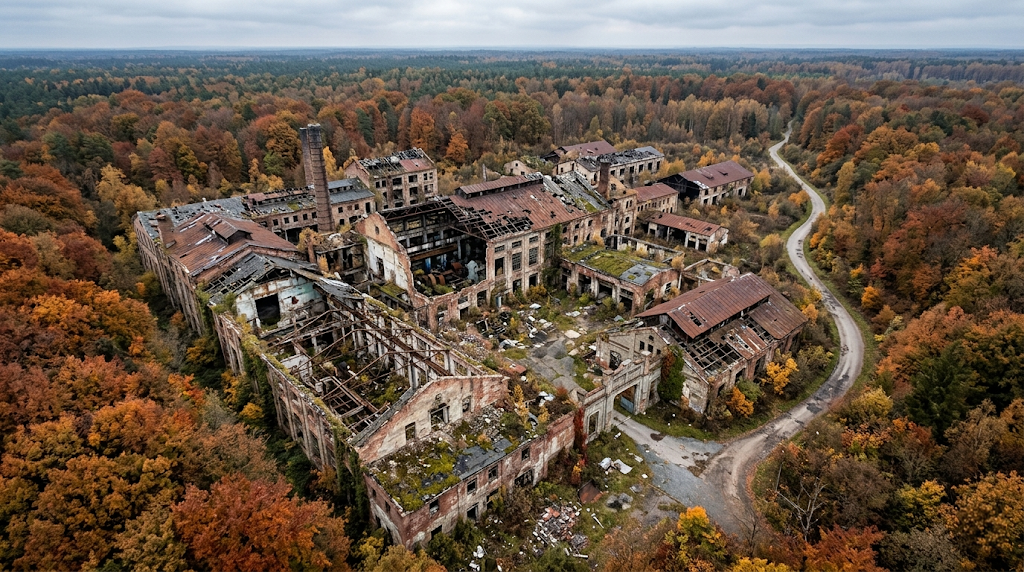
Urbex Veiligheid Checklist: 15 Regels voor Elke Urban Explorer
Why Safety Matters in Urbex
Every year, urban explorers are injured or killed in abandoned buildings. Collapsed floors, asbestos exposure, falling debris, and getting lost in underground tunnels are real dangers — not hypothetical ones. This guide covers the essential safety rules that experienced explorers follow religiously.
Before You Go
1. Never Explore Alone
This is the #1 rule. If you fall through a floor or get injured, you need someone who can call for help. Minimum group size: 2 people. Ideal: 3-4.
2. Tell Someone Your Plans
Leave your location details and expected return time with someone who isn't coming. If you don't check in by a certain time, they should know to raise the alarm.
3. Research the Location
Check UrbexVault for community reports on the location. Other explorers often note hazards like guard dogs, security cameras, structural concerns, or toxic materials. This intel can save your life.
4. Check the Weather
Rain makes surfaces slippery and can cause flash flooding in basements and tunnels. Wind can topple unstable structures. Extreme cold drains batteries and makes metal surfaces dangerously slippery.
Essential Gear
5. Wear Proper Footwear
Steel-toe boots with ankle support and good grip. Abandoned buildings are full of nails, broken glass, and uneven surfaces. Sneakers are not acceptable.
6. Bring a Dust Mask (or Respirator)
Asbestos is present in many pre-1990s buildings. Mold, pigeon droppings, and chemical residues are also common. An N95 mask is the minimum; a half-face respirator with P100 filters is better for long explorations.
7. Pack a First Aid Kit
Include: bandages, antiseptic wipes, tweezers (for splinters), pain medication, and a tourniquet. Cuts from rusty metal are common — make sure your tetanus vaccination is current.
8. Bring Multiple Light Sources
A headlamp (hands-free) plus a backup flashlight. Batteries die, lights break. Being trapped in a pitch-black abandoned building with no light is terrifying and dangerous.
While Exploring
9. Test Every Floor Before Stepping
Tap the floor ahead of you with your foot before putting weight on it. Wood floors in abandoned buildings rot from below — they can look solid and collapse without warning. Upper floors are especially dangerous.
10. Avoid Basements When Possible
Basements flood, trap toxic gases (especially in industrial sites), and are the first to lose structural integrity. If you must enter a basement, never go alone and ensure you have a clear exit path.
11. Watch for Asbestos
White/gray fibrous insulation around pipes, floor tiles from the 1960s-80s, and popcorn ceiling texture may contain asbestos. Do not disturb these materials. If you see them, put on your mask and move carefully.
12. Stay Off Rooftops
Rooftops of abandoned buildings are the most structurally compromised part. Years of water damage, freeze-thaw cycles, and neglect make them extremely dangerous. The view isn't worth the risk.
13. Be Aware of Other Occupants
Abandoned buildings sometimes shelter homeless individuals, drug users, or animals. Make noise as you enter so you don't surprise anyone. If you encounter someone, be respectful and leave if asked.
Ethics & Environment
14. Take Nothing, Leave Nothing
The urbex motto: "Take only photographs, leave only footprints." Don't remove objects, spray graffiti, or break things. The location should look the same after your visit as before.
15. Don't Share Exact Locations Publicly
Sharing coordinates publicly leads to vandalism and eventual demolition. Use platforms like UrbexVault where access is managed and the community is respectful.
Emergency Preparedness
- Fully charged phone — Keep it in a waterproof case
- Offline maps — Cell service may not work inside buildings
- Whistle — Louder than shouting if you need rescue
- Know the address — You need to give emergency services your exact location
Urban exploration is an incredible hobby, but it demands respect for the environment and your own safety. Follow these rules, and you'll have years of safe, amazing explorations ahead.